
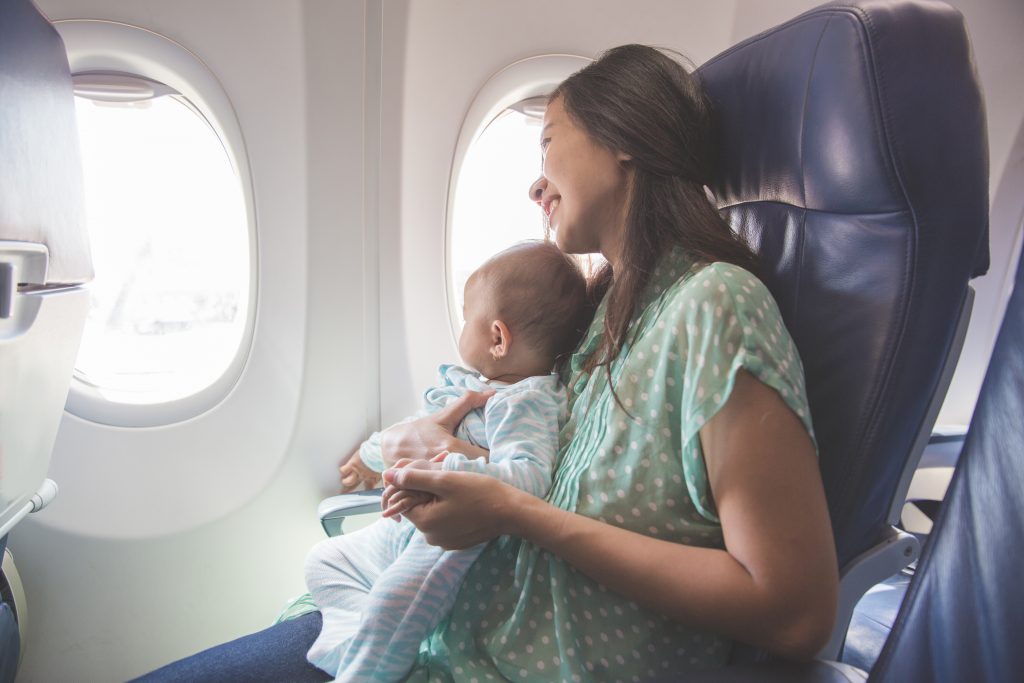
Congratulations — you just had your bundle of joy! But there are many friends and family who want to meet them too. And if that time is around the holidays, you may need to do the inevitable and frightening — traveling with a newborn. Although it seems daunting, the newborn stage may be manageable if you pay attention to some key tips to keep your baby healthy and happyand yourself sane as well!
Experts agree that babies should be at least a few weeks old before traveling, though some stress that three months is a safer bet. With newborns, health and safety are paramount at such a young age.
“[Waiting an appropriate amount of time] allows for their immune system to be better developed, making them more resistant to infections,” said Scripps Health. “This applies to babies who are born full-term and have no other health conditions … Infant immune systems are precarious at first. You do not want to risk exposing them to an illness during long travel.”
Once you decide to take that trip, advanced planning is key, with feeding, napping and safety all taken into consideration.
“Have a plan and think about what your trip entails,” says St. Elizabeth Healthcare. “Be prepared for things like delays, diaper disasters, hunger fits, minor illnesses, etc. If you can, bring some help with you.”
We know that babies need a consistent schedule, so ensuring that you have adequate supplies, like diapers, blankets, bottles and sleep items are key.
When traveling with a newborn, you are typically considering either car or flight travel, both requiring different needs. For flight travel, there are many expectations you must manage, including busy airports, flight delays and limited space.
Local mom Tara Freeland has traveled with both of her children as newborns across the country.
“It’s not for the weak,” Tara joked. “But my main tips are to have your baby in PJs to make them most comfortable. Nurse or feed baby once in seat and before takeoff since it helps with comfort and ear popping, and it can usually help put them to sleep. If not nursing, be sure to pack plenty of bottles especially if you are stuck on plane.
“Pack pacifiers, changes of clothes, and blankets, and be sure to change baby right before you get on plane,” she said.
The Federal Aviation Administration does not require a ticket for children under 2 years old, so technically your baby will not have a seat. But the American Academy of Pediatrics (AAP) recommends that that safest way to travel with an infant of any age is to have a seat with a car seat installed.
“If you do not buy a ticket for your child, you may want to ask if your airline will let you use an empty seat where you can install a car seat for your baby. The safest way for your baby to fly is in a child safety restraint — an FAA-approved car seat or airplane harness device. It should be approved for your child’s age and size, and installed with the airplane’s seat belt,” according to the AAP.
Expressed milk and formula are permitted through security and do not have to abide by the FAA’s 3-1-1 rule limiting liquids to 3.4 ounces. However, check the FAA website for regulations on both liquids and car seats.
For car travel, every newborn should be in a rear-facing seat. Avoid putting heavy coats or sweaters on babies that can cause them to overheat and impede the safety of the car seat. Plan frequent breaks for diaper and clothing changes, feeding stops and other unexpected delays.
“Traveling with a newborn requires careful planning and consideration,” said Scripps Health. “Consulting with your pediatrician is a good starting point. Whether traveling by plane or car, prioritize your baby’s safety, comfort and well-being.”