
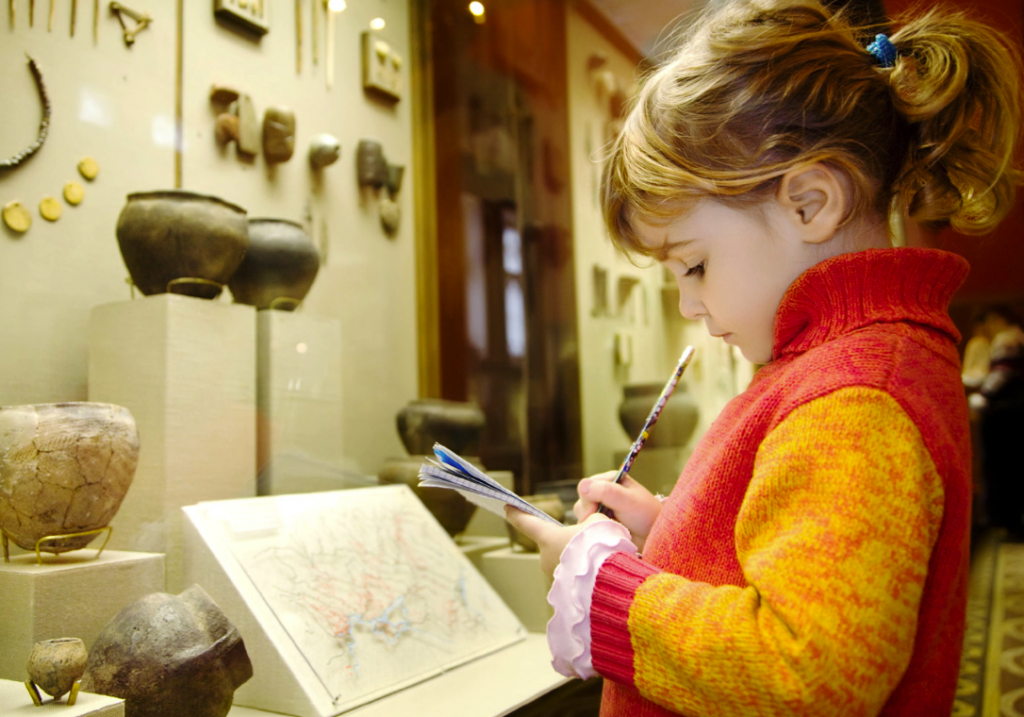
Summer is upon us, opening the door to endless possibilities for fun and travel. Summer offers homeschooling families a unique opportunity to learn beyond the home. Traveling naturally combines fun, exploration and education.
Travel as a Learning Tool
Experiential learning depends on understanding as children explore new places, cultures and environments. There is a natural integration of multiple subjects, independence, observation and critical thinking.
Planning With Purpose
Many vacations naturally lend themselves to learning. National parks, historical landmarks, museums and cultural sites are among the most obvious. Align these and other vacation destinations loosely with topics your child has studied or will study. This helps reinforce learning while enjoying family time.
If you want a bit more structure, focus on one to two key themes per trip (e.g., ecosystems, American history, architecture) to avoid overplanning and leave room for discovery.
Pre-trip planning involving your children is a powerful learning tool, helping them learn critical planning skills and pique their interest. Let them help plan breaks and which questions they want answered. Encourage them to select books, documentaries or maps to review beforehand.
Make Learning Happen
Vacation learning can be formal or informal, depending on your family’s preferences. You may discuss what you see in real time (e.g., landforms, wildlife, historical context) or ask open-ended questions. Children may continue learning and planning along the way, collecting brochures, navigating maps, taking photos or helping to plan daily routes.
Of course, homeschooling families love to take advantage of unexpected events leading to new learning opportunities.
Keeping It Fun and Flexible
The biggest challenge to keeping your vacation fun is overscheduling. Balancing structured activities with free exploration allows for downtime that prevents burnout.
Follow your child’s interests and dive deeper into what excites them, even if it wasn’t planned. Think about what your children enjoy doing most. Do they like parks, beaches or special treats? Incorporate those into your trip, including plenty of downtime for kids to be creative and allowing the entire family to slow down and avoid running from one event to another.
Capturing and Extending Learning
Vacation learning can also occur after the vacation.
During your trip, encourage your child to keep a travel journal or take lots of photos. When you are back home, have them share what they learned through presentations or storytelling. Add related projects or reading, or dive deeper into new topics that your child discovered while on vacation.
The most important consideration for learning and traveling this summer is connection.
Have fun. Get curious together. Take time to just relax together. Learning will often come naturally. So slow down, embrace flexibility and enjoy the journey.
Related Articles
Homeschooling and Scouting: An Inexpensive Curriculum Even for Non-Scouts
Α Guide to Starting Your Homeschool Journey