
The teen years can bring a wave of selfishness that might leave some parents wondering, “What happened to my sweet little kid?”
Don’t worry, it’s just a phase. Teens are wrestling with their identity, juggling school and social pressure and still operating under the impression that the world revolves around them. It’s a normal part of growing up.
So how can you help your teen find purpose, learn more about themselves and the world and grow into someone who feels grateful for their life?
Here’s what psychologists, parenting experts and a few well-chosen movie nights can do.
Finding Purpose Begins With Knowing They Matter
A sense of purpose can be the motivating reason to get out of bed. It can be tied to a career, a relationship, a hobby or a belief system.
According to the Center for Parent & Teen Communication, expecting teens to have this “purpose” all figured out can be both unrealistic and overwhelming, especially as they face a competitive job market, academic pressure and constant comparison on social media.
William Damon, author of “Path to Purpose” and director of the Stanford Center on Adolescence, found that teens with high levels of gratitude, compassion and tenacity are more likely to develop a lasting sense of purpose, according to the Center for Parent & Teen Communication.
Parents aren’t responsible for identifying that purpose for their teen (that is the teen’s job), but they can assist in opening doors, asking good questions and modeling a life that looks meaningful.
A few ways to help the process, as stated by the center, include:
- Let your teen know they matter. Celebrate effort and positive character, not just achievements.
- Praise and acknowledge what makes them different. Every teen is good at some things while still growing in others. Help them notice what they’re good at.
- Frequently ask small questions, instead of one big question. For example, ask, “What was one way you helped someone today?” instead of, “What do you want to do with your life?”
- Be patient. Purpose is a process, and it will most likely take longer than you expect.
Encourage Volunteer Work, but Let Your Teen Lead
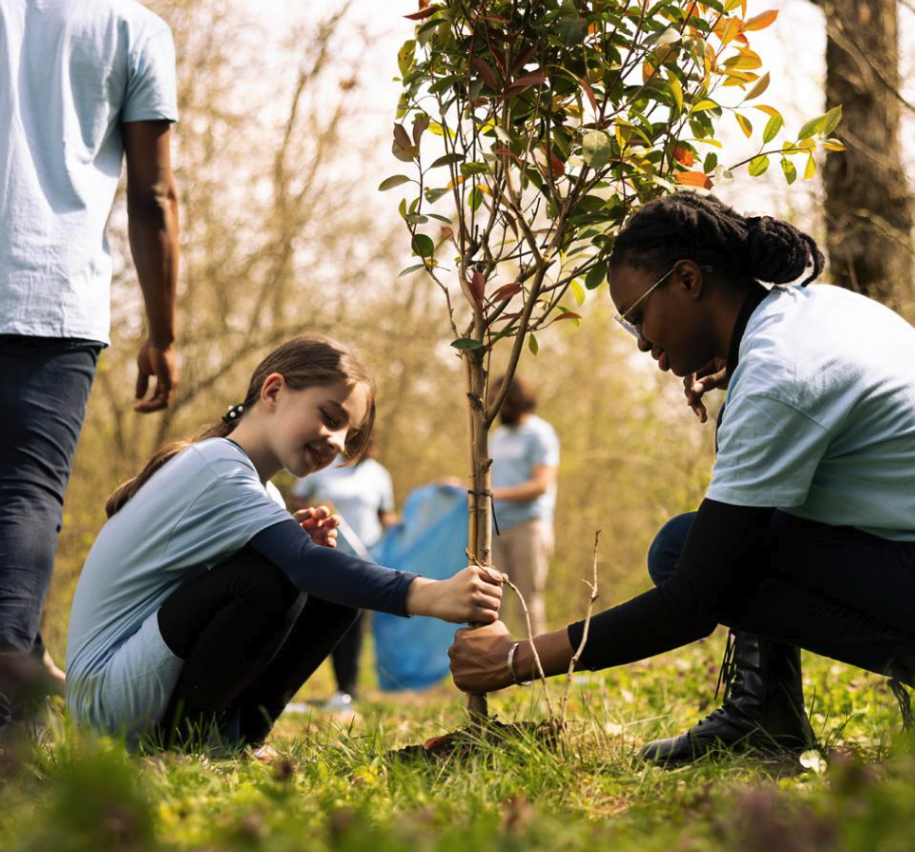
Volunteering offers teens a sense of control over their time and insight into the impact they can have. It also has the power to alter your teen’s mindset, reminding them of the opportunities they have that others don’t (physical abilities like walking without assistance, constant access to food and snacks, etc.).
Instead of assigning your teen a specific organization, give them room to research causes on their own or offer a short list they can choose from. That sense of choice matters and can turn an obligation into something they’re proud of.
Websites like dosomething.org can help connect teens to opportunities that match their interests, whether that’s animal welfare, environmental cleanups or mentoring younger kids.
Use Media as a Conversation Starter
Movies, shows and books can’t carry the entire load of authentic in-person conversations, but they’re a low-pressure way to introduce big ideas about gratitude and purpose.
For gratitude and cherishing the moment:
- “Forrest Gump”
- “The Intern”
- “Little Women”
- “It’s a Wonderful Life”
For finding purpose:
- “Soul”
- “Chef”
- “Lady Bird”
- “The Perks of Being a Wallflower”
- “Soul Surfer”
- “Dead Poets Society”
- “Good Will Hunting”
Growing into gratitude and purpose isn’t a single conversation but 100 small ones, spread out over years. The goal is to be there for your teen to help them find their own answers in life.