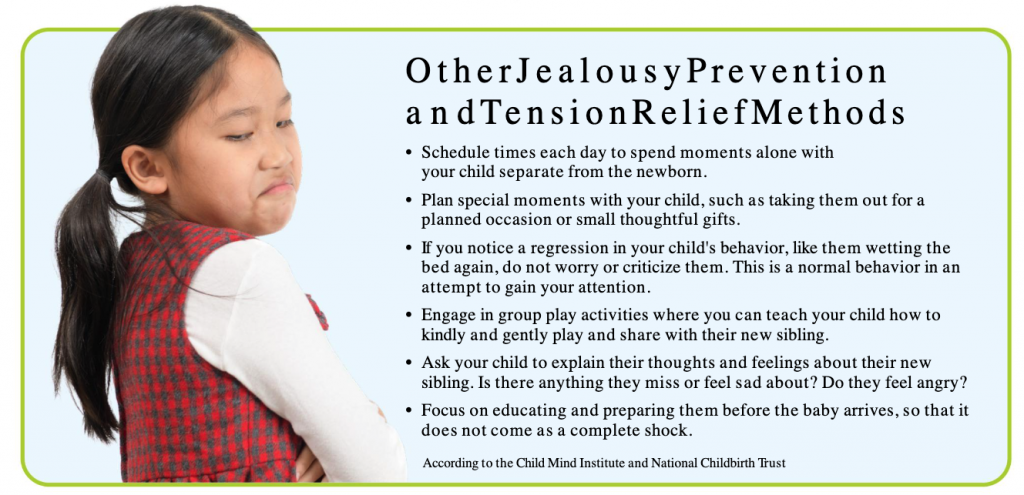
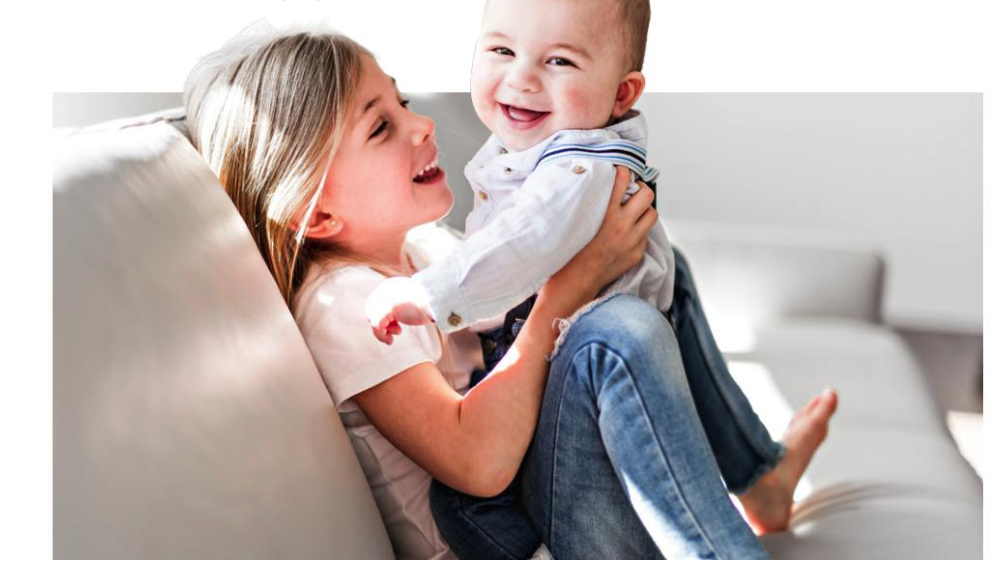
A new sibling in the house leads to beautiful, exciting and unforgettable moments. But a sudden shift away from your firstborn can stir up jealousy and sibling rivalry. Now, the attention is divided, and your little one doesn’t exactly know how to respond or adjust.
Here is a list of tips to help guide your family as you welcome a new little one into your home – easing those tears, tantrums and moments of jealousy, and instead fostering a loving, shared environment.
Sibling Jealousy Explained
About 80% of children in the United States have at least one sibling, according to Brown University Health, meaning the constant battle for a parent’s attention is an ongoing struggle in most households.
In one study published in the Psychological Bulletin, a researcher found that among studies examining changes in firstborn children’s adjustment after the birth of a sibling, one group showed a 25.5% increase in children’s disobedience. Another group displayed an increase in conflict between mothers and children following the birth.
This jealousy, which can often transform into tantrums, mood swings and tiffs with mom and dad, is a natural response to the introduction of a new sibling.
According to an article from Cradlewise, this is mainly because the sibling does not understand who the newborn is, why they are in their home or why so much of their parents’ time is now consumed with taking care of them, as stated by Board Certified Behavior Analyst Emily Groben.
“This sudden shift can be a shock, leading to changes in behavior at home and even at school,” Groben told Cradlewise.
It is typical for this sense of confusion to develop into a sibling rivalry, especially when there is a toddler and a newborn. The older sibling might develop a need for competition, especially for their parents’ attention, and experience feelings of resentment, insecurity, sadness or anger, according to the Association of Child Psychotherapists.
These emotions, mainly directed at the new sibling, can manifest in various ways, including:
- The firstborn might make mean comments or say they want their new sibling to “go back.”
- One sibling might show a large amount of resentment during playtime, such as difficulty sharing toys and anger when the younger sibling attempts to play with them.
- Jealousy and disagreements over sharing friends.
- Constant shifts in the sibling relationship. They might be close at times and distant and aggressive at others, due to changes in jealousy levels.
- An increase in tantrums and crying.
- Aggression or attempting to physically harm their other sibling.
- Playing and behaving roughly and aggressively with the younger sibling.
- An increased demand for attention.
- The older sibling might begin wetting their bed or sucking their thumb.
- “Tattling” on their younger sibling and increased frustration.
- Siblings who are older than 9 might argue more, become more aggressive in their daily life or create a sense of competition with their other sibling.
According to the Association of Child Psychotherapists and Nationwide Children’s Hospital.
Preparing Before the Newborn Comes
One of the most vital preventative measures of sibling rivalry and intense jealousy before the baby’s arrival is to prepare and educate your child on what the future might feel and look like.
According to the Child Mind Institute, this can include informing your child as soon as possible that they will be meeting a new sibling so they have time to adjust and learn. Consider emphasizing honesty and openness with your child, explaining that once they meet their new sibling, you might have to spend extra time feeding them, etc., because they don’t know how to do it on their own yet.
Therapists and pediatricians also recommend focusing on inclusion, which can look like allowing your child to help pick the new sibling’s name, according to Child Mind. Inclusion can help your child feel a greater sense of attention, responsibility and accomplishment.
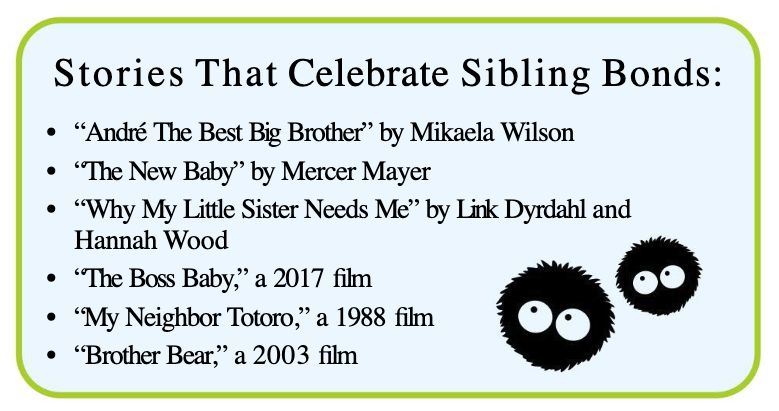
There is a range of children’s books and movies that display positive sibling relationships, serving as visual examples for your child. It is advised to show as many of these examples as possible to your child before the arrival of the new baby.
How to Ease the Transition After Baby Arrives
Adjusting a toddler to life at home after welcoming a newborn can be challenging, and it requires dedicated, consistent effort and communication to help ease them into an entirely new way of life and family dynamic.
According to Pediatric Associates, one of the most recommended strategies is to involve your child in caring for the newborn. This can include asking your child to assist during bath time, either to provide you and the newborn with company or to help dry the baby; grab a pair of pajamas or a diaper; provide toys or help bottle-feed the baby. This can allow your child to feel included and like a leader or “big kid,” offering empowerment rather than exclusion.
Consider avoiding criticism unless necessary and providing compliments to your child to celebrate them and their assistance. This form of praise, which can also be offered to recognize your toddler’s personal accomplishments, such as behaving well or successfully completing a developmental milestone, serves as positive reinforcement for your child’s caring interactions with their new sibling.